Dive into the Vibrant World of Cultural Events!
Step into the vibrant world of cultural events where traditions, diversity, and community spirit intertwine to create unforgettable experiences. In this blog post, we will take you on a journey through the rich heritage of traditional cultural events, from colorful ceremonies to time-honored rituals that have been passed down through generations. Explore how these events celebrate history and keep cultural identities alive, offering a glimpse into the tapestry of human experience. We will also dive into the dynamic realm of modern cultural festivals, showcasing how different communities come together to celebrate their uniqueness through art, music, food, and more. Discover how these events serve as a platform for creativity and self-expression, reflecting the evolving landscapes of our societies. Join us as we uncover the heartbeat of cultural events and learn how they bridge gaps, foster understanding, and create connections that transcend boundaries. Get ready to immerse yourself in a world where every event tells a story and every moment is a celebration of our shared humanity
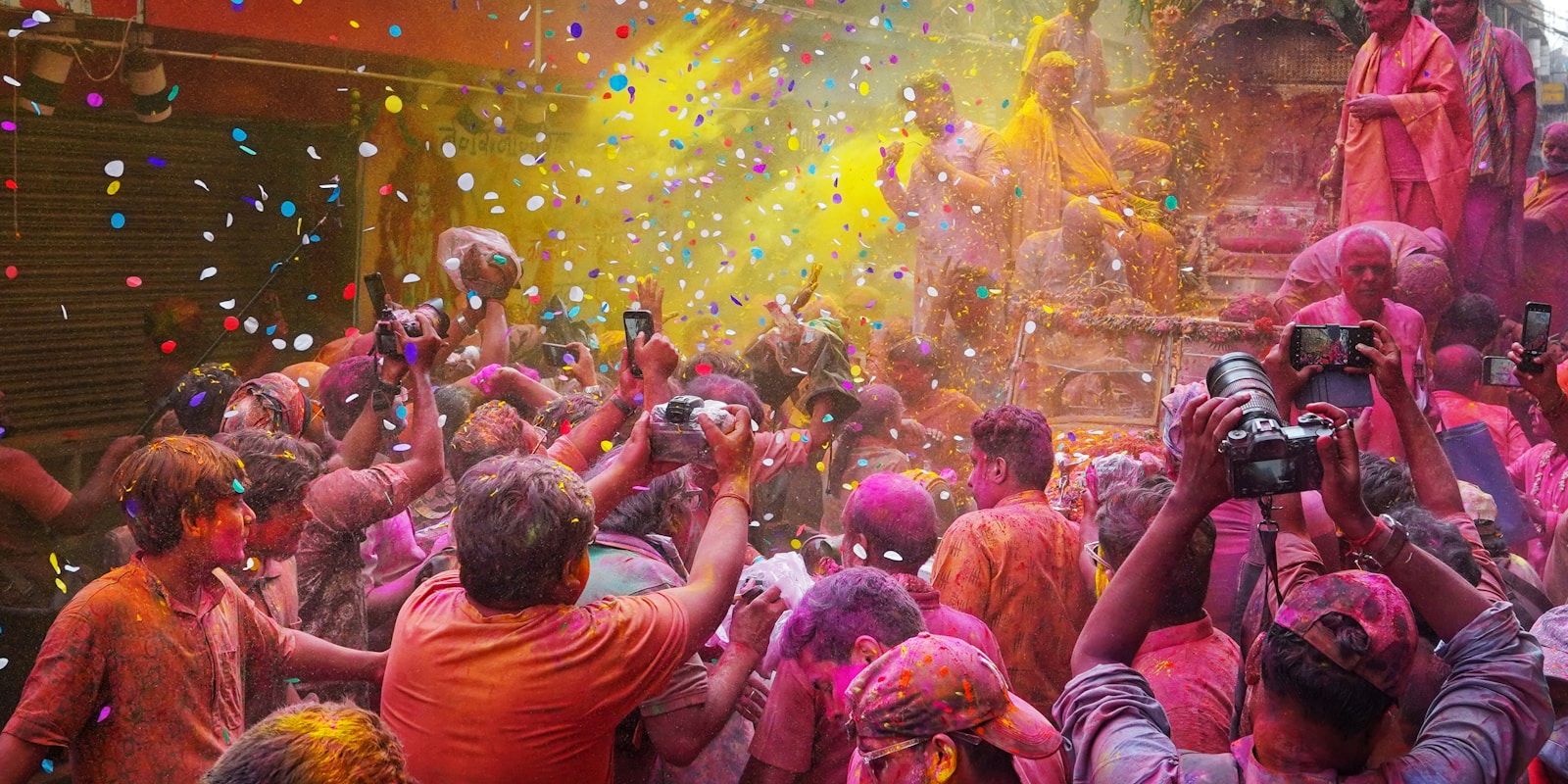
Discover the Rich Heritage: A Look into Traditional Cultural Events
Cultural events serve as powerful vehicles that allow us to immerse ourselves in the traditions, customs, and values of diverse communities. These events provide a unique opportunity to celebrate and honor the rich tapestry of human heritage that has been passed down through generations. By participating in traditional cultural events, we not only pay homage to our ancestors but also gain a deeper understanding of the values and beliefs that shape our identities. From colorful festivals and lively performances to solemn ceremonies and ancient rituals, cultural events offer a glimpse into the soul of a community. Each event is steeped in history and meaning, serving as a symbolic link between the past, present, and future. Through these celebrations, we learn about the struggles, triumphs, and joys of our forefathers, instilling a sense of pride and belonging in our cultural heritage. Furthermore, traditional cultural events foster a sense of unity and camaraderie among participants, bringing people together in shared celebration. These events create a space where individuals from different backgrounds can come together, exchange ideas, and form lasting connections. They serve as a reminder that, despite our differences, we are all bound by a common humanity and a shared history. In essence, cultural events are not just occasions for revelry and entertainment; they are a testament to the enduring legacy of our traditions and the resilience of our communities. By delving into the vibrant world of cultural events, we open ourselves up to a wealth of experiences, insights, and emotions that enrich our lives and deepen our appreciation for the diversity of the human experience
Celebrating Diversity: Exploring Modern Cultural Festivals
Modern cultural festivals serve as vibrant celebrations of diversity, showcasing a rich tapestry of traditions, art, music, food, and more. These events offer a platform for people from various backgrounds to come together and share their heritage, fostering understanding and appreciation for different cultures. One of the most exciting aspects of cultural festivals is the opportunity to immerse oneself in a new world. From traditional dance performances to interactive art installations, these events provide a sensory experience that engages visitors on multiple levels. Attendees can sample exotic cuisine, learn about ancient rituals, and participate in hands-on activities that offer a glimpse into the customs and beliefs of different communities. In addition to being enjoyable social gatherings, modern cultural festivals play a crucial role in preserving and promoting heritage. By highlighting the unique practices and expressions of diverse cultures, these events help ensure that traditions are passed down through generations and not forgotten. They also provide a platform for artists, performers, and artisans to showcase their talents and contribute to the cultural landscape of their communities. Moreover, cultural events contribute to the local economy by attracting tourists and generating revenue for small businesses. By drawing in visitors from near and far, festivals create a sense of excitement and energy that can revitalize neighborhoods and stimulate growth. They also serve as opportunities for collaboration and exchange between different groups, fostering connections that can lead to lasting partnerships and friendships. In conclusion, modern cultural festivals are powerful catalysts for celebrating diversity and promoting cross-cultural understanding. By exploring the myriad expressions of heritage and creativity found in these events, attendees can gain new perspectives, broaden their horizons, and contribute to a more inclusive and vibrant society
The Pulse of the Community: How Cultural Events Unite Us
Cultural events play a crucial role in uniting communities and fostering a sense of togetherness among people. These events serve as a platform where individuals from diverse backgrounds can come together to celebrate and appreciate various aspects of culture, heritage, and art. By participating in cultural events, people have the opportunity to learn about different traditions, customs, and beliefs, contributing to a more inclusive and understanding society. One of the key aspects of cultural events is their ability to create a shared experience that transcends differences and brings people together. Whether it's a music festival, a culinary event, a dance performance, or an art exhibition, these gatherings enable attendees to connect on a deeper level through their shared appreciation for culture and creativity. As participants immerse themselves in the sights, sounds, and tastes of different traditions, they develop a greater sense of empathy and respect for one another. Moreover, cultural events serve as a reflection of the values and identity of a community, highlighting the uniqueness and diversity that exist within a society. By showcasing various forms of expression and creativity, these events not only preserve cultural heritage but also inspire innovation and collaboration among individuals. Through art, music, dance, and other cultural mediums, communities can communicate their stories, struggles, and triumphs, fostering a sense of pride and belonging among its members. In essence, cultural events act as a heartbeat that pulsates through the community, bringing people together in a shared celebration of diversity and unity. Whether big or small, these gatherings have the power to strengthen social bonds, promote cross-cultural dialogue, and create lasting memories that transcend barriers of language, race, and nationality. By embracing and participating in cultural events, individuals can experience the beauty and richness of different cultures while contributing to the vibrant tapestry of their community
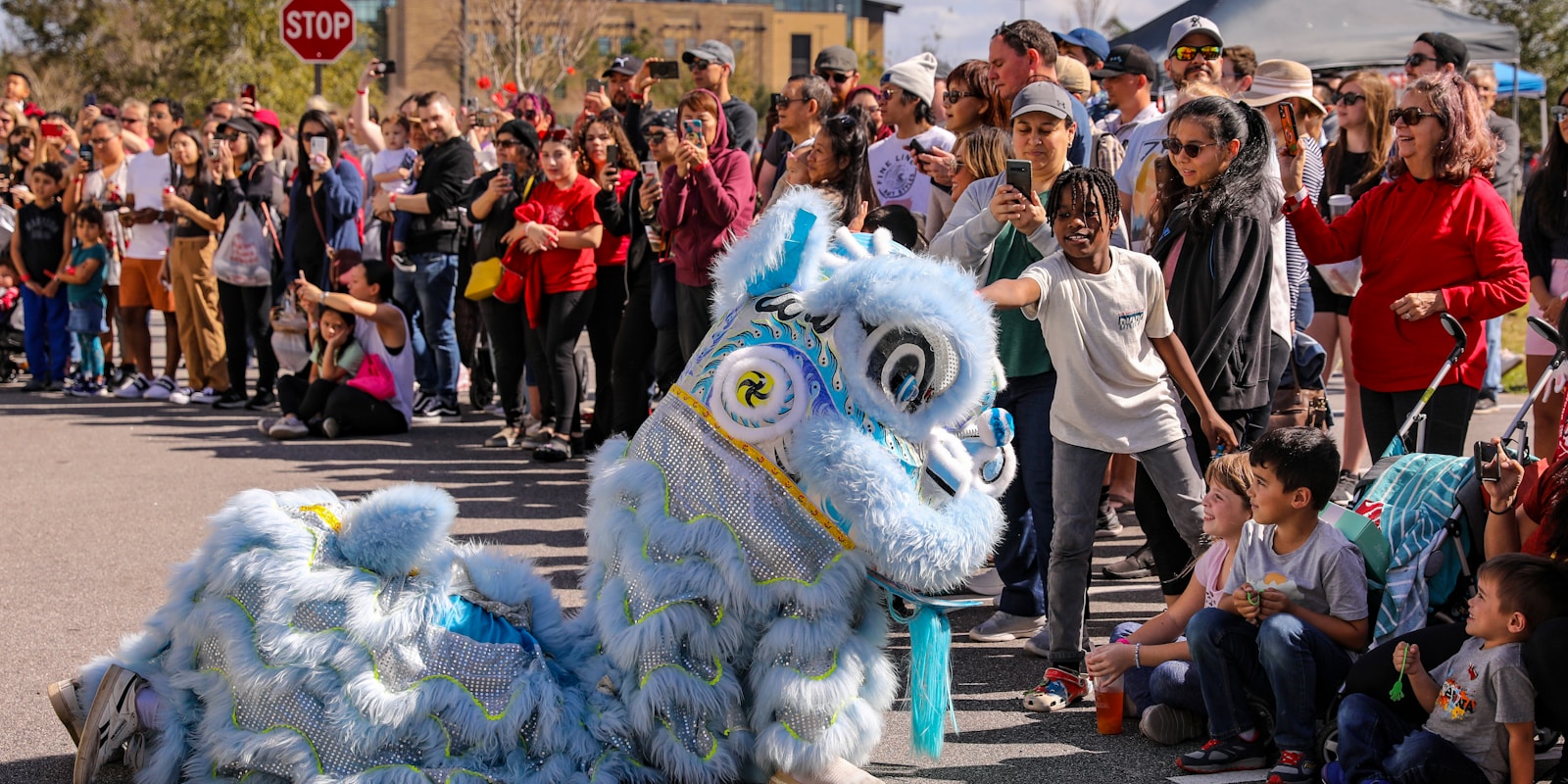
From Music to Art: The Diverse Offerings of Cultural Events
In the colorful tapestry of cultural events, there is a myriad of offerings that cater to a diverse range of interests and passions. One of the most prominent forms of cultural events is music concerts and festivals. These events bring people together through the universal language of music, showcasing a wide array of genres like classical, jazz, pop, rock, and everything in between. Music events not only entertain but also have the power to transcend boundaries, uniting individuals from different backgrounds and cultures. Art exhibitions and showcases are another integral part of cultural events. From contemporary art galleries to traditional art museums, these events provide a platform for artists to express their creativity and share their perspectives with the world. Art has a unique way of sparking conversation and provoking thought, making it a vital component of cultural enrichment. Literary festivals and book fairs are also celebrated cultural events that bring together book lovers, authors, and intellectuals to engage in discussions about literature, storytelling, and the power of words. These events provide a space for intellectual exchange and exploration, fostering a love for reading and learning among attendees. Dance performances, theater productions, film screenings, and culinary festivals further contribute to the rich tapestry of cultural events, offering a plethora of experiences for individuals to immerse themselves in. Each event is a celebration of creativity, expression, and heritage, showcasing the beauty and diversity of cultures from around the world. In essence, cultural events serve as a window into the vibrancy and richness of human expression. They offer a platform for artists and creators to showcase their talents, for communities to come together and celebrate shared passions, and for individuals to immerse themselves in unique and immersive experiences that broaden their horizons. Whether you're a music aficionado, an art enthusiast, a literature lover, or simply someone looking to explore new horizons, cultural events provide a tapestry of offerings that cater to all tastes and interests. So dive in and immerse yourself in the vibrant world of cultural events - there's something for everyone to enjoy and appreciate!
Navigating Cultural Etiquette: Tips for Enjoying Cultural Events to the Fullest
Cultural events offer a rich tapestry of traditions, beliefs, and practices that can be both enlightening and enjoyable to explore. Whether attending a local festival, an art exhibit, a music performance, or a theatrical production, immersing yourself in different cultural experiences can open your eyes to new perspectives and foster a greater understanding of the world around you. However, it's essential to approach these events with respect and an open mind, keeping in mind cultural etiquette to ensure a mutually positive experience for both yourself and the community hosting the event. One important aspect of participating in cultural events is being aware of the traditions and customs of the culture being celebrated. Taking the time to learn about the history and significance of the event can provide valuable context and deepen your appreciation for what you are experiencing. This could involve researching the symbolism behind certain rituals, understanding the dress code expectations, or familiarizing yourself with any taboos or sensitivities that should be observed. Another key consideration when attending cultural events is to remember that you are a guest in someone else's cultural space. This means being mindful of your behavior and interactions with others, showing respect for local customs, and being open to learning and engaging with new ideas. Simple gestures such as greeting people in their native language, observing and following established protocols, and asking questions respectfully can go a long way in demonstrating your appreciation for the culture you are exploring. Furthermore, embracing cultural diversity also involves being open to trying new things and stepping out of your comfort zone. Whether it's sampling traditional cuisine, participating in a dance workshop, or joining in a local ceremony, being adventurous and willing to engage with unfamiliar practices can lead to unexpected discoveries and memorable experiences. In conclusion, navigating cultural etiquette at cultural events is not just about following a set of rules; it's about approaching these experiences with sensitivity, curiosity, and an open heart. By honoring the traditions and customs of the cultures you encounter, you can forge meaningful connections, broaden your horizons, and create lasting memories that transcend cultural boundaries. So, the next time you find yourself at a cultural event, remember to embrace the opportunity to immerse yourself fully in the vibrant world of cultural diversity
Conclusion
Conclusion: In this journey through the vibrant world of cultural events, we have explored the essence of tradition, diversity, and community spirit woven into the fabric of these celebrations. From the rich heritage of traditional cultural events that honor history and cultural identities to the dynamic realm of modern festivals that celebrate uniqueness through creativity and self-expression, cultural events serve as bridges that connect individuals and communities. These events showcase the tapestry of human experience, fostering understanding, and creating connections that transcend boundaries. Each event tells a unique story and every moment becomes a celebration of our shared humanity, reminding us of the beauty found in embracing our differences and coming together in unity. Cultural events truly embody the richness and vitality of our collective heritage, inviting us to immerse ourselves in an experience that celebrates the mosaic of cultures that make up our world